Unraveling the Wonders of Laser Welding
The Dawn of Laser Welding Technology
Rising from the crucibles of innovation, laser welding machines have transformed manufacturing and repair industries globally. By fusing precision with speed, these machines are revolutionizing how metals and other materials bind. Thanks to their versatility, from automotive to electronics, their applications continue to expand, marking a new era in welding.
Advertisement
How Laser Welding Works
Laser welding harnesses concentrated beams of light to heat and bond materials at high speeds. The laser’s pinpoint precision allows for a minimal heat-affected zone, reducing distortion in the welded components. Such finesse makes laser welding machines invaluable across sectors needing meticulous quality, such as aerospace and medical device manufacturing.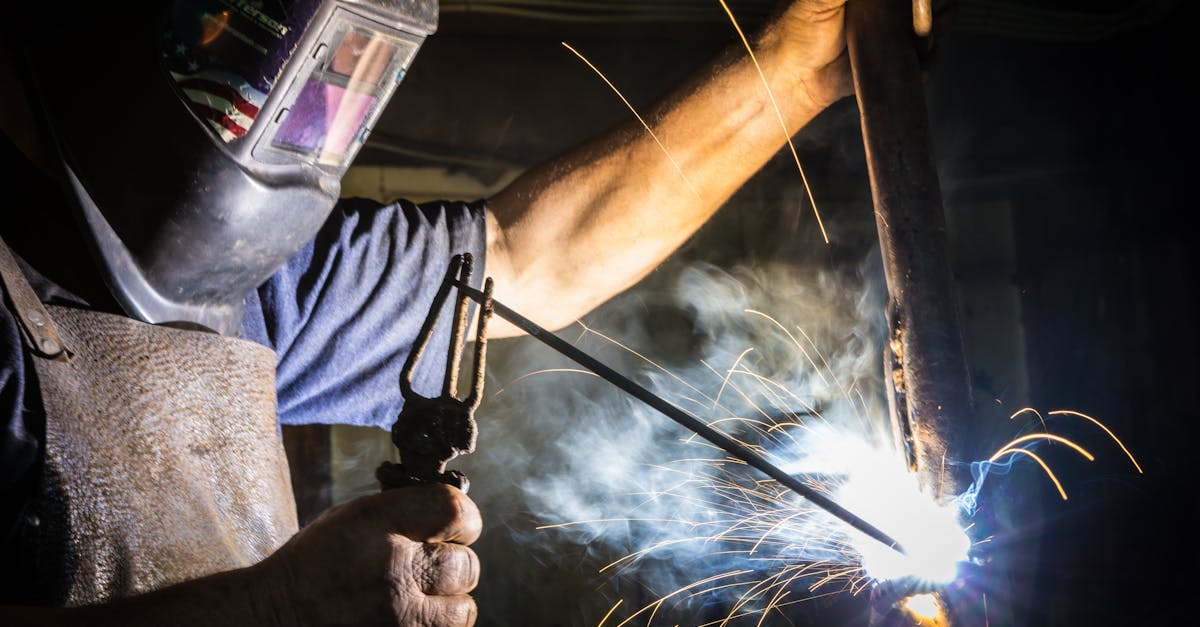
Advertisement
Unpacking the Machines' Advantages
Perhaps the most striking advantage of laser welding machines is their efficiency. With minimal heat dissipation, these machines ensure quicker processing with reduced energy consumption. Additionally, their precision makes them ideal for complex assemblies where traditional welding might falter. Notably, their use doesn't necessitate filler materials often required in conventional welding processes.
Advertisement
Industry-Specific Applications
Laser welding machines have carved niches in diverse industries, each benefiting uniquely. In the automotive sector, they streamline production lines, ensuring sturdy bodywork and intricate components. Meanwhile, the electronics industry finds them indispensable for manufacturing intricate circuits without damaging sensitive parts. Even jewelry making employs lasers for seamless, microscopic detailing.
Advertisement
Economic and Environmental Impact
The adoption of laser welding machines has generated significant economic ripple effects, reducing labor costs and material wastage. Additionally, because they limit the need for consumables and extensive post-processing, industries are also seeing a notable decrease in carbon emissions, aligning with global sustainability goals. They’re not just improving productivity but planet-friendliness too.
Advertisement
Navigating Challenges with These Machines
Despite their many advantages, laser welding machines aren’t without challenges. High initial investments can be a barrier, especially for smaller businesses. Furthermore, understanding and operating such sophisticated technology demands specialized training. However, the long-term benefits often outweigh these upfront hurdles, making them worth the investment for most enterprises.
Advertisement
Future Prospects in Laser Welding
As technology-driven industries pursue heightened efficiency and precision, the future of laser welding machines looks promising. Continuous advancements are enhancing machine power and adaptability, laying groundwork for even broader applications. With advancements in AI and robotics, we’re looking at a future where automated laser welding fits seamlessly into intelligent manufacturing ecosystems.
Advertisement
Conclusion
In stepping into the world of laser welding machines, industries are achieving unparalleled efficiencies and precision. Although the journey involves initial challenges and investment, the dividends in operational smoothness are undeniable. As industries strive to adapt to a fast-evolving technological landscape, laser welding machines remain a pivotal tool. Their impact resonates broadly, championing an era where productivity meets environmental stewardship.
Advertisement